Common Issues on the Operating Table
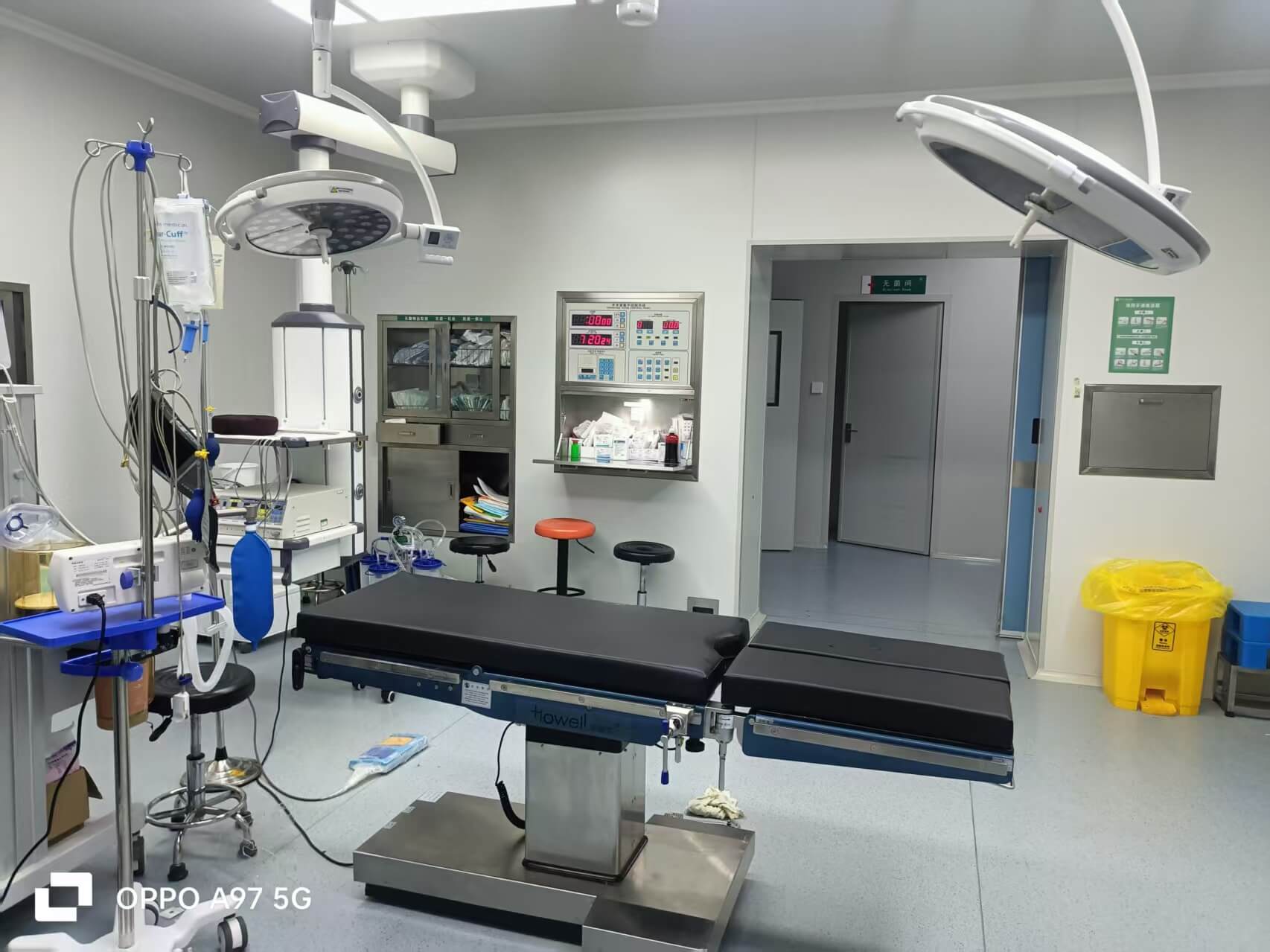
Q1:Why do orthopedic and spinal surgeries require specialized operating tables? What are the advantages of the Jackson Spinal Operating Table?A:Modern surgical procedures have become highly specialized, and standard, general-purpose operating tables cannot accommodate the positioning requirements of all surgeries. For example, orthopedic and spinal surgeries require patients to be in the prone position, urology and obstetrics/gynecology require patients to be in the lithotomy position, and neurosurgery requires the patient’s head to be absolutely immobilized. Different operating tables are optimized for specific surgical positions. To maintain surgical precision, procedures now rely heavily on real-time imaging, so the table’s radiopacity directly impacts surgical accuracy. For instance, the Howell interventional operating table features a large carbon fiber surface that allows the C-arm X-ray to capture 360° images, ensuring precision in orthopedic surgeries. The Jackson Table, on the other hand, is specifically designed for spinal surgeries (such as herniated discs and scoliosis correction). It employs a dual-column structure to provide fully suspended abdominal positioning, effectively reducing pressure on the patient’s vena cava and minimizing intraoperative bleeding.
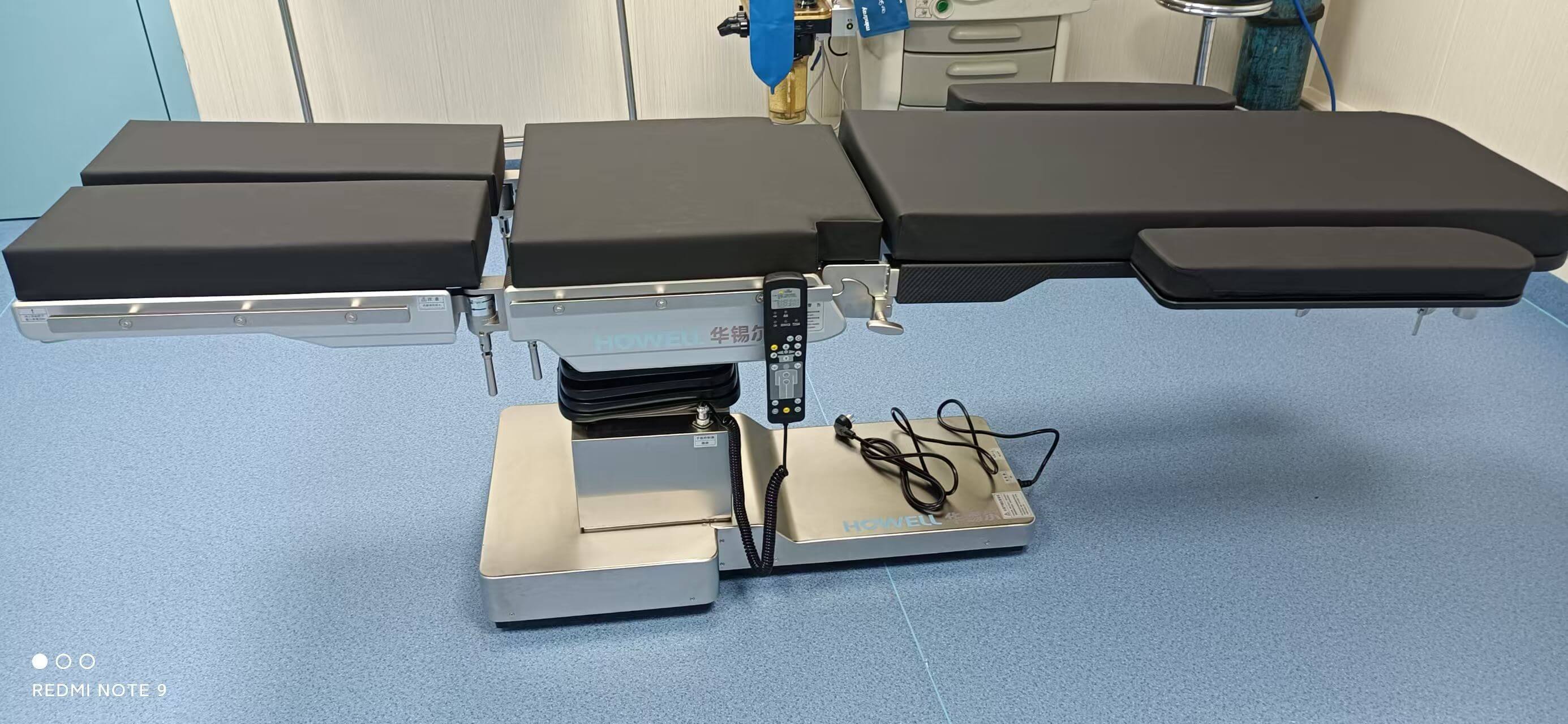
Q2:Why are general-purpose operating tables still needed? If a hospital has a limited budget, which type of operating table should it choose?A:For many small and medium-sized hospitals and outpatient surgical centers (ASCs), meeting the demand for high-quality surgery within a limited procurement budget is a significant challenge. Equipping each department with a dedicated operating table is often economically impractical. When budget constraints conflict with clinical needs, how should hospital administrators make the most informed procurement decisions? The answer lies in high-performance, universal operating tables. Universal operating tables are designed to accommodate a wide range of surgical procedures, from general surgery to gynecology and urology. By maximizing the utilization of a single unit, hospitals can significantly reduce overall capital expenditure while maintaining operational efficiency. The drive system is a key factor when evaluating universal operating tables. While mechanical operating tables are less expensive, electrohydraulic operating tables have become standard in modern operating rooms.
Controlled by an intuitive handheld controller or foot switch, electrohydraulic systems allow surgeons to quickly, quietly, and smoothly adjust to more than seven basic positions (such as tilt, lift, and flexion/reflexion). This technological upgrade minimizes manual operation and significantly improves surgical efficiency and patient safety.
The secret to long-term cost savings: ModularizationTruly cost-effective universal operating tables are not only reflected in their initial price but also in the future security of their investment. Excellent operating tables, such as Howell's modular electro-hydraulic operating tables, are designed with exceptional scalability in mind.
Through highly flexible accessory packages, hospitals can easily install different headboards, legboards, or integrated traction frames. This modular design means that a standard, general-purpose operating table can be instantly upgraded to a specialized orthopedic or neurosurgical operating table. It eliminates the need to purchase entirely new operating tables for specific surgeries, resulting in significant long-term savings in procurement budgets.
Q3:Why do specialized surgeries require custom-made operating tables?
A:In conversations with numerous hospital purchasing directors, we are frequently asked: "Since a universal operating table can do everything, why do neurosurgery and obstetrics/gynecology directors always insist on purchasing specialized operating tables?" As a team with years of experience in medical device manufacturing, we understand that universality often means compromise, while specialization frequently determines the upper limit of surgical procedures. Today, we'll discuss the fundamental differences in design logic between different specialized operating tables.
Neurosurgery: Finding Space in Millimeter-Level Precision
Clinical Pain Points: Neurosurgery is not only extremely time-consuming but also demands millimeter-level precision. Even the slightest tremor can have catastrophic consequences. Furthermore, the area around the head is often crowded with microscopes and anesthesiologists, resulting in extremely limited space.
Howell's Solution: When designing the Howell 180° Rotating Neurosurgery Table, our primary consideration was "absolute resistance to deformation." Moreover, we designed the tabletop with a 180° horizontal rotation function. This means the surgeon can easily rotate the patient's head to the optimal position, freeing up valuable operating space for the large microscope and anesthesia team, making complex minimally invasive craniotomy procedures much more comfortable.
Gynecology/Delivery: Temperature, Speed, and Dignity
Clinical Pain Points: Unlike other surgeries, gynecology often involves conscious mothers or patients. A cold, rigid examination table can exacerbate their anxiety. Simultaneously, doctors need to adjust the patient's position extremely frequently and quickly during delivery or examination, and must handle large amounts of fluid drainage.
Howell's Solution: The experience is at the heart of gynecology equipment. The Howell Electric Hydraulic Delivery Table abandons the traditional rigidity, featuring a standard medical gel pad with excellent tactile feedback to relieve pressure. Operationally, we employ a silent hydraulic system combined with hand and foot controls, ensuring smooth and silent position changes. More importantly, we have optimized the seamless drainage system, making postoperative cleaning and disinfection effortless.
ENT Surgery: The Surgeon's "Neck Spine Savior"
Clinical Pain Points: The operating area for ENT surgery is extremely small. For the surgeon, the most painful aspect is the prolonged bending and head-down position, which is a severe strain on the neck and back. Furthermore, the slight fixation angle of the patient's neck directly affects the surgical field of vision.
Howell's Solution: An excellent ENT operating table must "take care" of the surgeon. The Howell ENT Surgical Table features a specially optimized ultra-thin base design, ensuring the surgeon can perform surgery with extreme comfort and ample legroom. Combined with our proprietary multi-dimensional micro-adjustable head tray, it not only precisely fixes the patient's head and neck but also completely liberates the surgeon's spine.
Whether it's neurosurgery, which pursues ultimate stability, obstetrics and gynecology, which emphasizes care, or ENT, which values ergonomics, a good operating table should not just be a "bed," but rather the surgeon's most compatible assistant. At Howell, we don't just manufacture equipment; we provide customized support solutions for every complex surgical scenario.